Subnautica
Survival
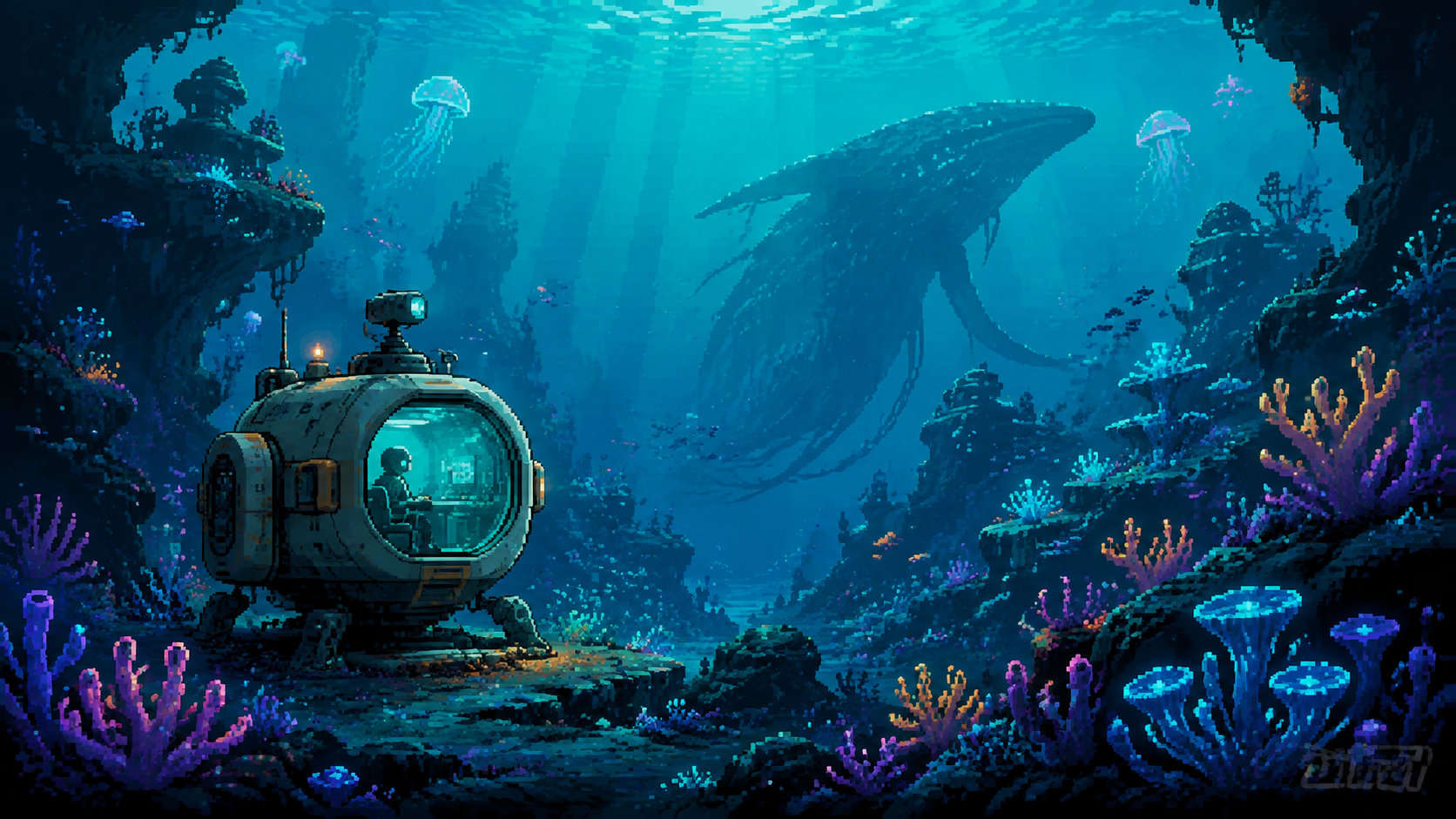
A smoother Subnautica run starts with the save, completion and progression rules the game does not always explain up front. This guide gives those answers without revealing the plot. Subnautica is listed for PS5, PS4 and Xbox Series, with an estimated 30–50h completion range. It has no major permanent missables in the standard completion route, and there is a point of no return to plan around. Manual saves give you extra control; there is no standard New Game Plus safety net.
Buying Subnautica? Check the edition before ordering.
Confirm the platform, included content and physical format in the listing. Available editions can differ between sellers.
QUICK ANSWERS
Before you start
PLAYTHROUGH PLAN
Before You Start checklist
Set up your save plan
Subnautica supports manual saves, so keep a rotating backup before major missions or irreversible choices.
Protect the completion route
Subnautica allows a forgiving standard cleanup route, but tracking optional progress as you go still reduces endgame backtracking.
Know the last safe checkpoint
Subnautica has a point of no return. Keep a separate save and clear priority side content when the game signals a final commitment.
Choose difficulty deliberately
Subnautica does not require a specific difficulty for the standard trophy or achievement route, so choose the setting you will enjoy.
Budget 30–50h
Use Subnautica's 30–50h estimate as a planning range, not a promise. Exploration, difficulty and optional goals can move the total substantially.
Spoiler-free warning
Exploration remains open until you deliberately launch the escape rocket, and reloading a pre-launch save restores cleanup access. Save manually before deep expeditions; game mode is chosen at the start and changes survival systems more than ordinary difficulty.
BEGINNER GUIDE
10 things I wish I knew before starting
The useful systems, early mistakes and easily missed details worth understanding before you commit dozens of hours.
Scan every new fragment
Blueprint progress comes from repeated fragment scans, while duplicate scans later provide titanium. Doing this early prevents avoidable backtracking and keeps the opening hours focused.
Carry two beacons
Mark caves, wrecks and resource zones because the open ocean has few dependable visual landmarks. Treat this as a repeatable habit rather than something to repair near the end.
Prioritise oxygen and mobility
A larger tank, Seaglide and vehicles extend exploration more than filling storage with advanced materials. It saves resources and makes later encounters more predictable without spoiling the story.
Read radio messages
Signals guide the early story and lead toward new biomes without functioning as a rigid quest marker system. Check it whenever the game moves you into a new region, chapter or difficulty tier.
Build small outposts
A powered room, storage and scanner near distant resources can eliminate repeated long journeys. This is the safer first-playthrough approach and leaves specialised cleanup for later.
Respect depth limits
Vehicle crush depth requires upgrades, so never assume a fast descent can be reversed before damage becomes fatal. A small amount of preparation here removes a disproportionate amount of frustration.
Carry food only when useful
Cooked fish spoils, while cured food and water support long trips away from the lifepod. Use the relevant menu or map tracker regularly so nothing important silently falls behind.
Save before deep dives
Manual saving protects vehicles and rare resources from navigation errors, crashes or dangerous fauna. The goal is steady progress, not exhausting every system before you understand its value.
Follow environmental clues
Alien structures, deeper resources and biome transitions reveal progression more naturally than surface wandering. Reassess after major unlocks because the best choice can change as your toolkit expands.
Preserve a pre-launch save
Launching the rocket ends the run, while reloading beforehand keeps the world available for cleanup. This keeps the run flexible and reduces the chance of needing an unnecessary replay.
- Status
- Verified
- Last verified
- 2026-09-01
COMMON QUESTIONS
Subnautica FAQs
Does Subnautica have missable content?
No major permanent missables are listed for Subnautica's standard completion route, although tracking optional progress can still reduce cleanup time.
Is there a point of no return in Subnautica?
Yes. Subnautica has a point of no return. Finish priority side content and keep a separate save when the game warns that you are entering a final sequence.
Does Subnautica have New Game Plus?
No standard New Game Plus mode is listed for Subnautica. Plan first-run missables and cleanup without assuming a powered-up replay will be available.
Can you free roam after finishing Subnautica?
Yes. Subnautica allows post-story free roam or a comparable return to the playable world, although specific story-state changes may still affect some content.
How long does Subnautica take to complete?
Subnautica is estimated at 30–50h. Your total will depend on difficulty, exploration, optional content and whether you are targeting full completion rather than only the main story.